
A Simple Trick to Cool High-Performance Silicom FPGAs in Lab Setups
Our Mission: If It Is Packets, We Make It Go Faster!
And with packets we mean:
- Networking using TCP/UDP/IP over 10G/25G/50G/100G Ethernet
- PCI Express (PCIe), CXL, OpenCAPI
- Data storage using SATA, SAS, USB, NVMe
- Video image processing using HDMI, DisplayPort, SDI, FPD-III.
The Challenge: Passive Server FPGAs in Desktop Environments
In modern hardware development, FPGAs are the backbone of high-speed networking, data storage acceleration, and AI inference. The high-performance Silicom FPGA SmartNIC N6010 based on Altera Agilex™ 7 F-Series is designed specifically for data center server installations. Because it relies entirely on a server chassis’s highly defined, high-velocity airflow for thermal management, the Silicom FPGA SmartNIC N6010 is natively a completely passive card.
While this passive design is optimal for rack-mounted servers, it presents a thermal bottleneck for engineers and developers working in lab setups or standard PC environments. Without an enclosure to force air through the card’s heatsink, high-performance passive FPGAs will rapidly overheat, which throttles performance and risks hardware degradation during intensive development cycles.
MLE’s Solution: Simple Active Cooling for the Silicom N6010
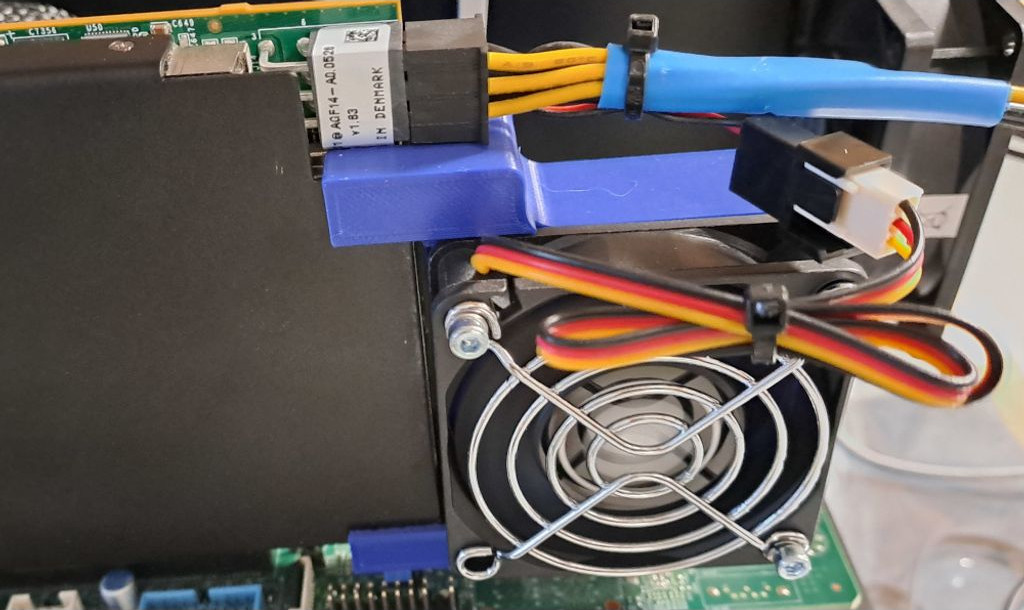
At Missing Link Electronics (MLE), our expertise goes beyond writing RTL code; we deliver holistic FPGA design solutions, bridging the gap between custom IP cores and the physical hardware integrations required for rapid prototyping. To overcome the thermal limitations of lab-based development, our engineers designed a simple 3D-printed fan duct for the Silicom FPGA SmartNIC N6010.
This fan duct allows developers to seamlessly mount a standard 60 mm fan to the card, forcing targeted air directly through the heatsink. By converting the passive cooler into an active thermal management system, developers can run demanding workloads—such as AI hardware accelerators and complex network protocols—stably on their desktop test benches.
Key Engineering & Assembly Details
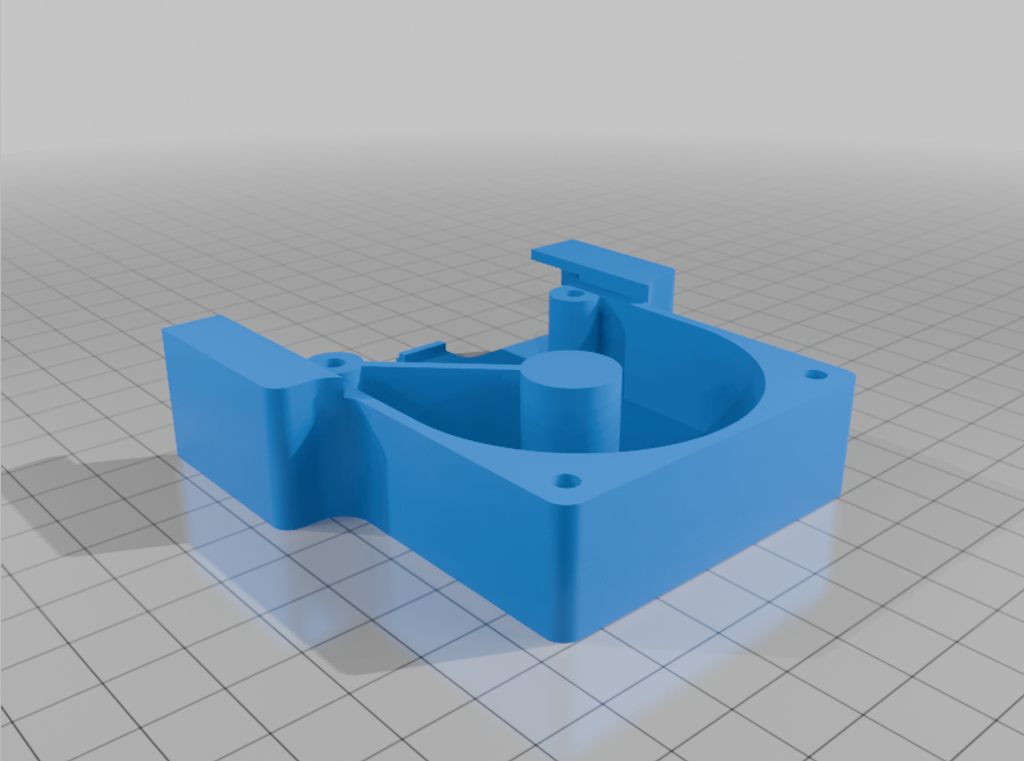
To ensure long-term reliability and ease of use in the lab, we optimized the fan duct design with several practical considerations:
- Material Selection for Thermal Stability: We print the duct using PETG filament rather than standard PLA. PETG offers superior temperature resistance, ensuring the duct maintains its structural integrity and secure fit even when the FPGA operates under heavy, heat-generating workloads.
- Friction-Fit, Tool-less Mounting: Attaching the duct to the Silicom N6010 requires zero permanent modifications to the card. It features a simple clip-on design that relies on friction against the card’s exterior.
*Crucial assembly note: The fan duct is designed to slide around the metal shield on both sides of the card—do not force it between the shield and the PCB!
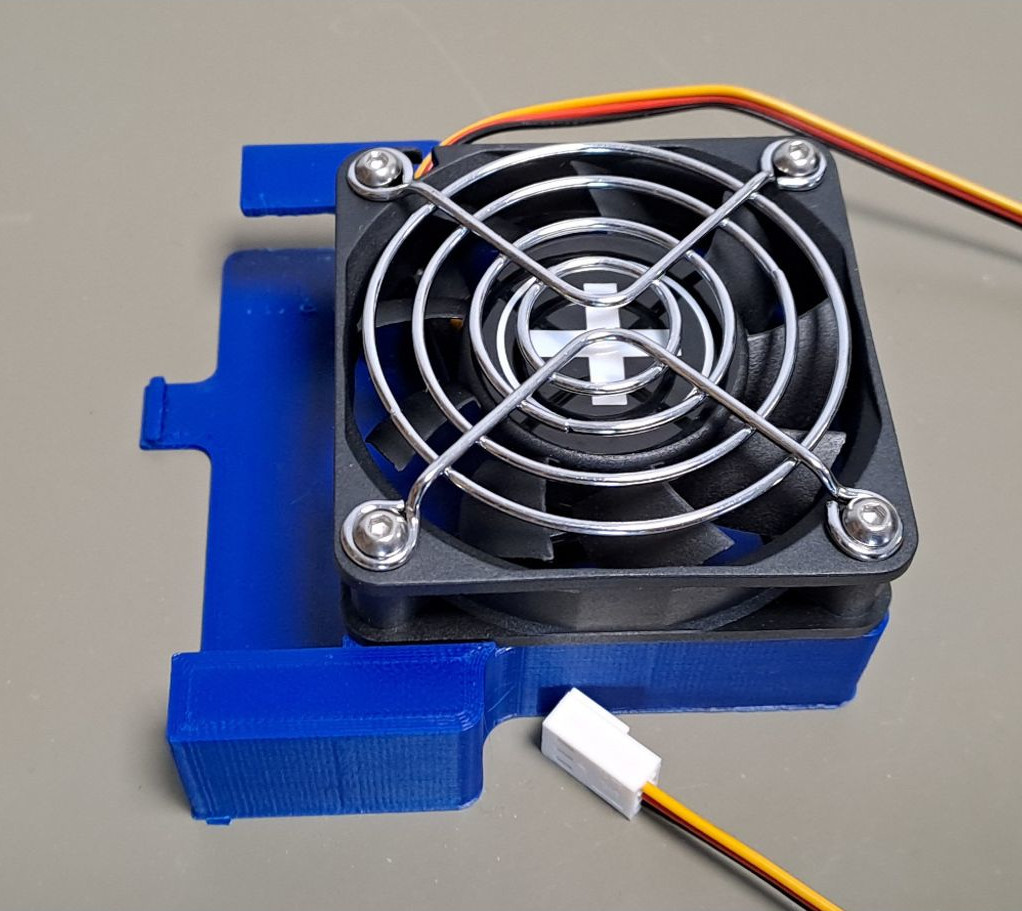
- Adaptable Airflow for Demanding Applications: Our standard lab configuration utilizes a low-power, 15 mm thick 60 mm fan, which moves sufficient air for baseline testing. However, if your specific application requires more aggressive cooling, you can easily upgrade to a stronger, high-RPM fan. The modular design of the duct means the only modification required for a thicker fan is swapping in longer mounting screws.
Required Mounting Hardware
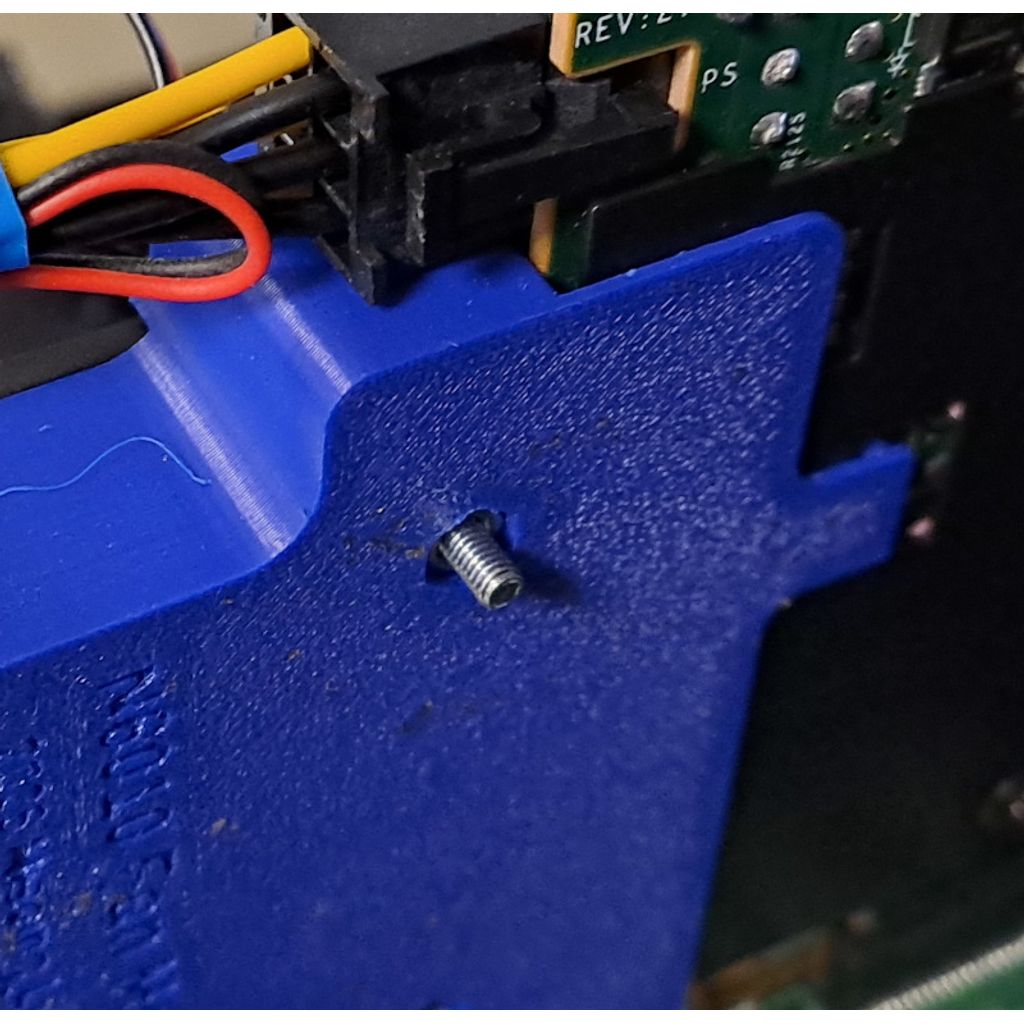
- 1x MLE Custom 3D-Printed PETG Fan Duct
- 1x 60 mm Fan (15 mm thickness recommended for baseline)
- 4x M3x35 Screws (Ideal length if installing with a protective fan grill)
- 4x M3 Hex Nuts
If you own a Silicom FPGA SmartNIC N6010 and want to 3D print your own fan duct, find the necessary files on Thingiverse for free: https://www.thingiverse.com/thing:7433815
Driving Innovation with Expert FPGA Design Capabilities
This 3D-printed cooling design is a prime example of the hands-on, problem-solving approach at Missing Link Electronics. Prototyping complex, heterogeneous architectures requires both software finesse and hardware adaptability. Whether we are optimizing thermal performance in a desktop lab setup, accelerating TCP/IP network stacks, or designing custom logic for AI inference, MLE provides end-to-end FPGA design services that empower our clients to bring high-performance solutions to market faster.
By eliminating physical hardware bottlenecks early in the prototyping phase, our engineers and clients can focus on what matters most: developing cutting-edge, low-latency applications that push the boundaries of modern FPGA technology.
🌐 www.missinglinkelectronics.com
MLE (Missing Link Electronics) is offering technologies and solutions for Domain-Specific Architectures, which focus on heterogeneous computing using FPGAs. MLE is headquartered in Silicon Valley with offices in Neu-Ulm and Berlin, Germany.